
Our Story
Our Story
A Legacy of Faith. A Future of Presence.
For nearly two centuries, generations of people have gathered in the Salem community to worship Jesus, care for one another, and serve their neighbors. Buildings, names, and ministry methods have changed through the years, but the heart of Salem has remained: ordinary people faithfully responding when God calls.
Deep Roots
The “Old Salem” was a small log building used both as a church and a school.
Gathering Before There Was a Building
The exact date Salem was founded is unknown, but church records trace its beginnings to at least 1828. In those earliest years, local preachers traveled throughout the community, sharing the gospel in homes, small schoolhouses, and simple log buildings.
The first Salem church served as both a place of worship and a school. From the beginning, Salem was not simply a building—it was a community gathered around faith, learning, and life together.
A Place Called Salem
A Church Beside the Spring
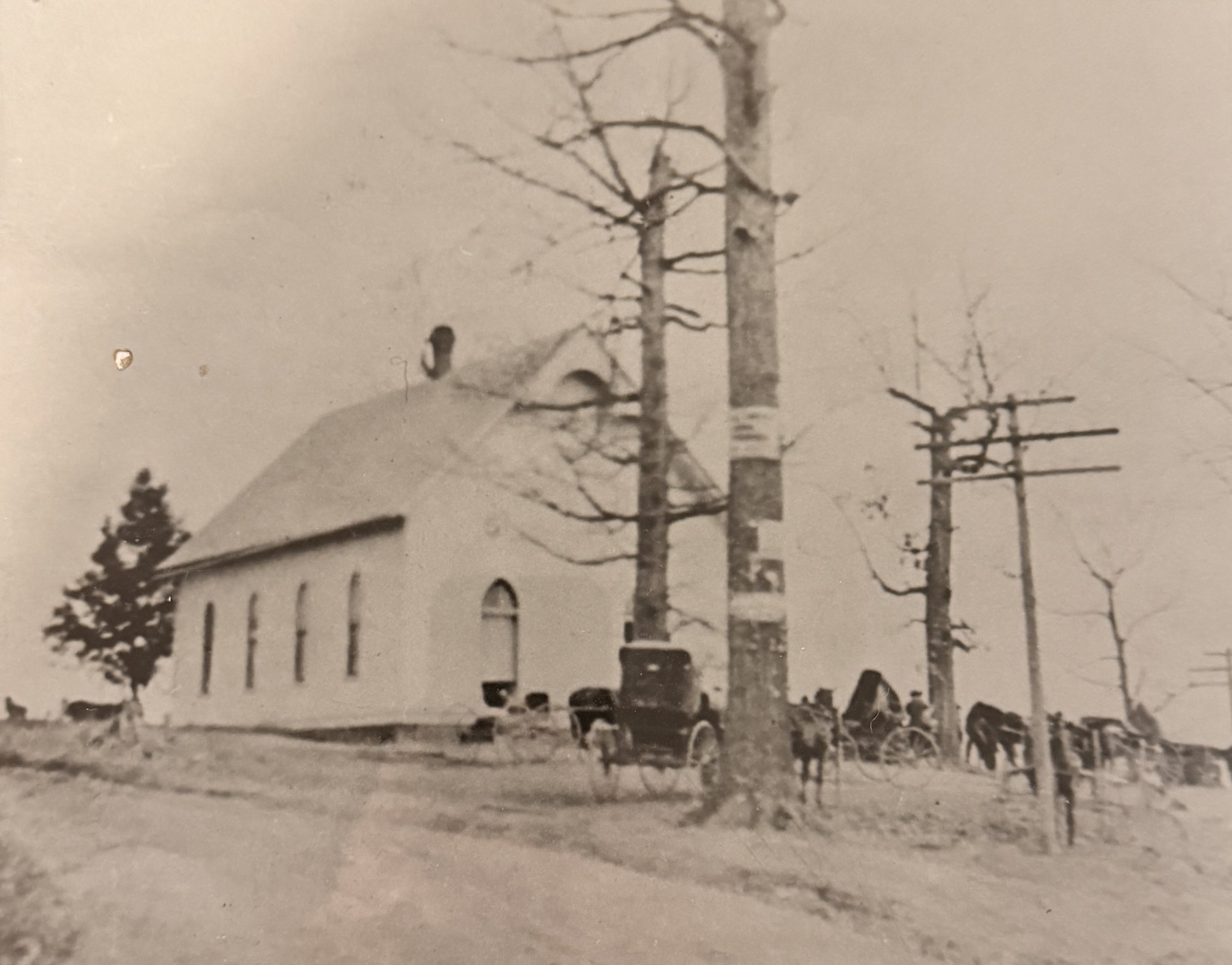
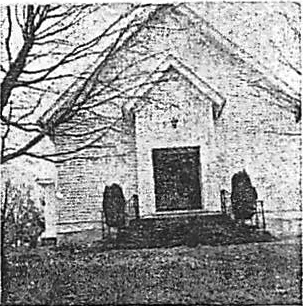
In 1873, the heirs of Randolph Ramey gave land near a grove of trees and a natural spring for a new church and cemetery. The spring became known as Salem Spring, and the congregation continued worshiping on the land that would carry its name for generations.
That church was completed in the 1890s and became the third building to bear the Salem name. It would continue serving the congregation—with additions and improvements—for nearly a century.
Built by faithful people
Every Generation Carried the Work Forward
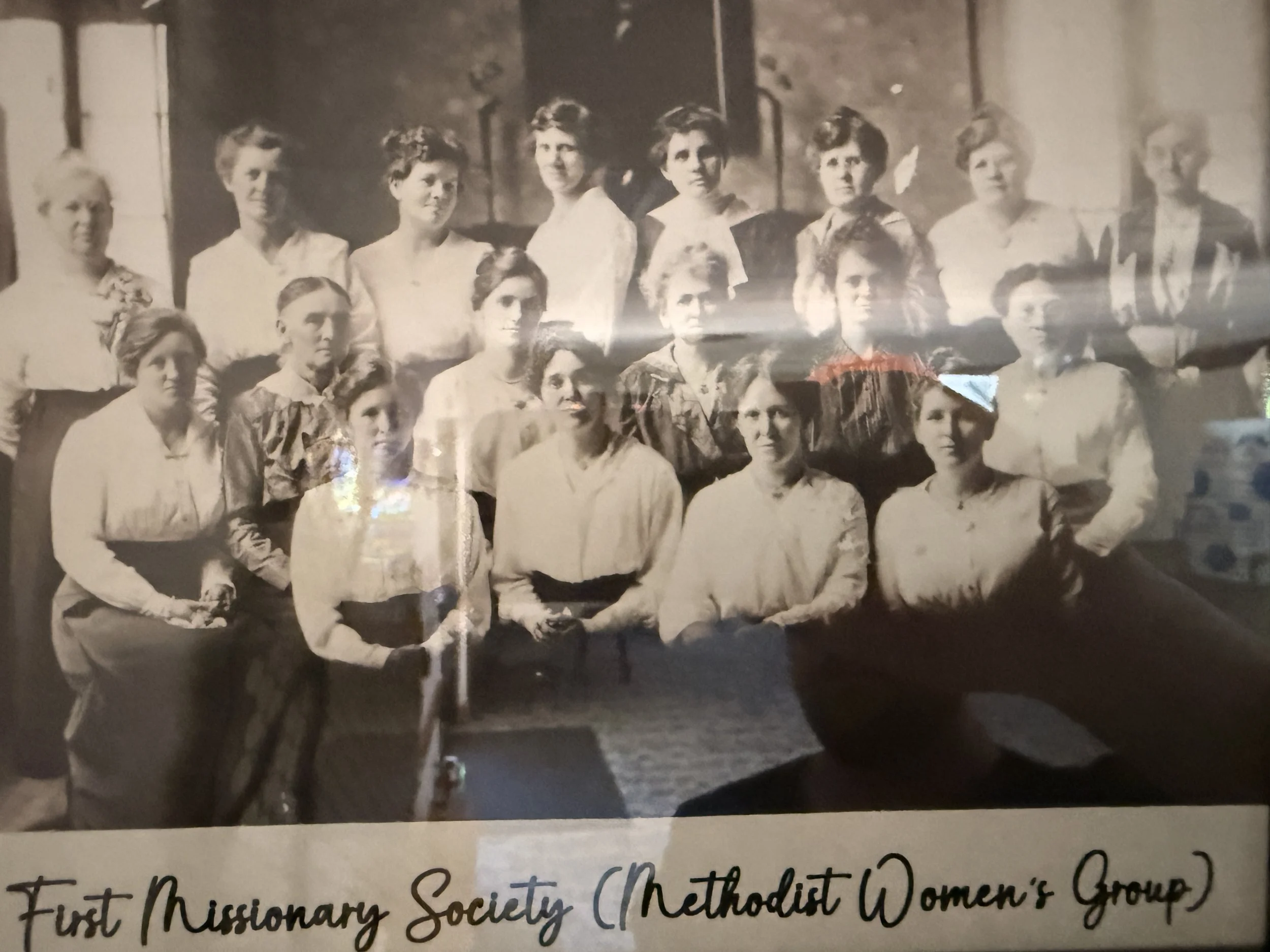
Salem’s history is filled with people whose names may never appear on a sign but whose service shaped the church.
Members planted crops to fund building projects, provided meals for workers, taught children, led choirs, organized ministries, maintained the property, supported missionaries, and gave sacrificially when needs arose.
The story of Salem has never belonged only to pastors or committees. It has been written by generations of faithful people who saw a need and stepped forward.
Growing to serve the community
Making Room for the Next Generation
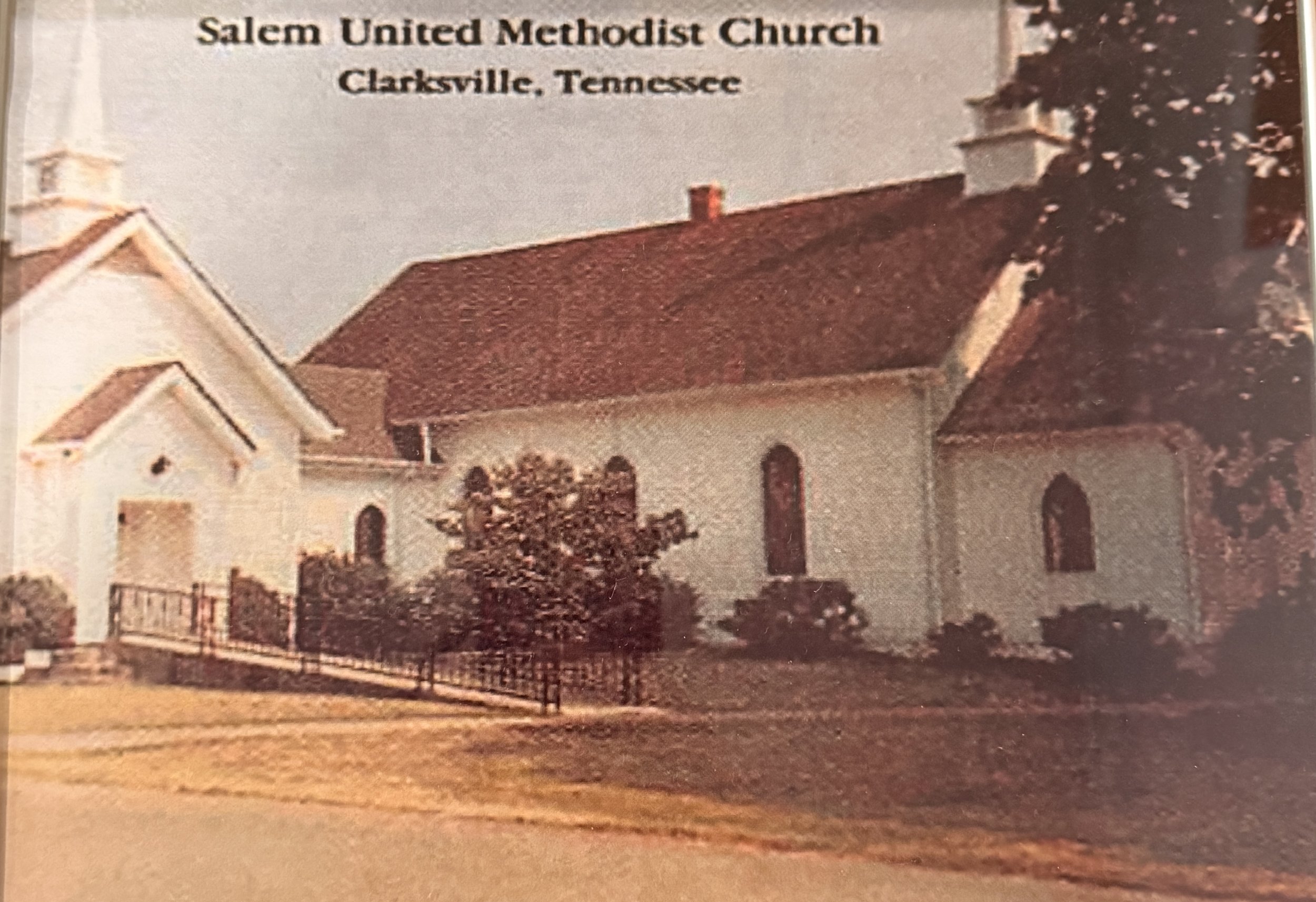
As the Salem community grew, the church continued adapting to serve its neighbors.
Sunday school rooms were added. Youth and children’s ministries expanded. A choir loft, fellowship spaces, kitchens, classrooms, and other improvements were created as each generation responded to new opportunities.
By the 1980s, Salem was welcoming new families almost every Sunday. Leaders began recognizing that the church had reached another defining moment. Maintaining existing ministries while reaching the growing community would require more pastoral leadership and additional space.
Vision for something more
“I firmly believe that God is calling us to go in this direction.” - Glenn Abernathy
The Dream That Changed Salem’s Direction
In June 1986, Glenn Abernathy described receiving a vivid dream of a new parsonage, a Family Life Center, and a much larger Salem church filled with light.
He believed the dream represented God’s direction for Salem to become a one-station church with its own full-time pastor. At the time, Salem shared pastoral leadership with other congregations in the Antioch Charge.
When the vision was shared with the congregation, the response was overwhelming. Salem began studying what it would take to step into a new season of ministry.
Stepping out in faith
A Congregation Chooses Its Future
In 1986, Salem formed committees to study its population, finances, facilities, and the possibility of becoming a one-station church with its own full-time pastor. After months of research, the findings were presented to the congregation. In 1986, Salem formally petitioned to become a one-station church beginning in 1987. The congregation committed itself to supporting a full-time pastor, a parsonage, and the ministries needed to reach the growing community.
The transition required prayer, planning, generosity, and courage. Members accepted the challenge together, believing that God was preparing Salem for greater ministry.
Of the 120 families who responded, 54 supported becoming a one-station church, 16 opposed the proposal, and four abstained. Salem then began the formal process of seeking approval and preparing for a new parsonage and full-time pastoral leadership.
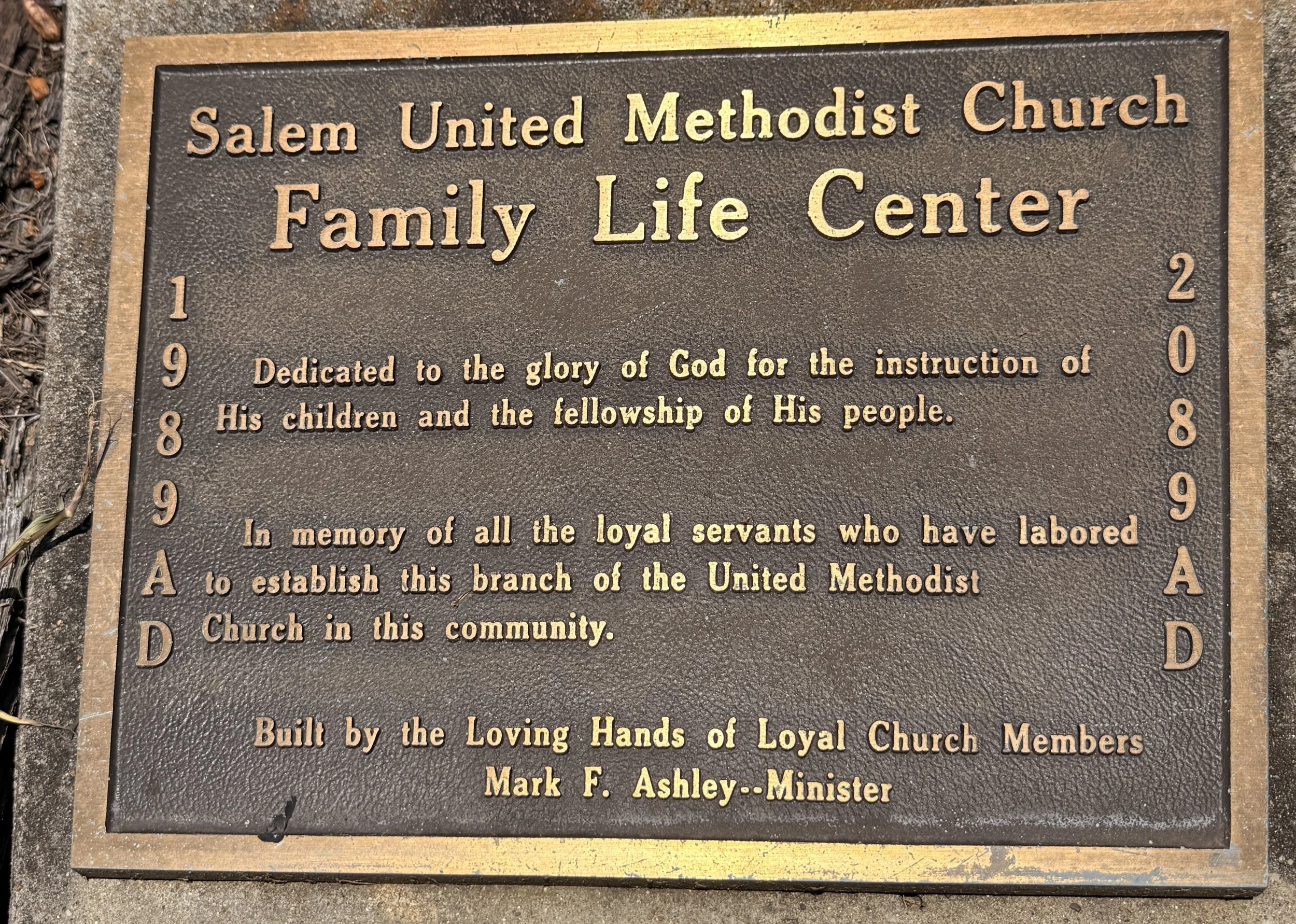
A new parsonage was completed in 1987, and the Family Life Center followed in 1989. These were more than construction projects—they represented Salem’s willingness to follow where God was leading.
When the walls could no longer hold the vision
A New Sanctuary Takes Shape
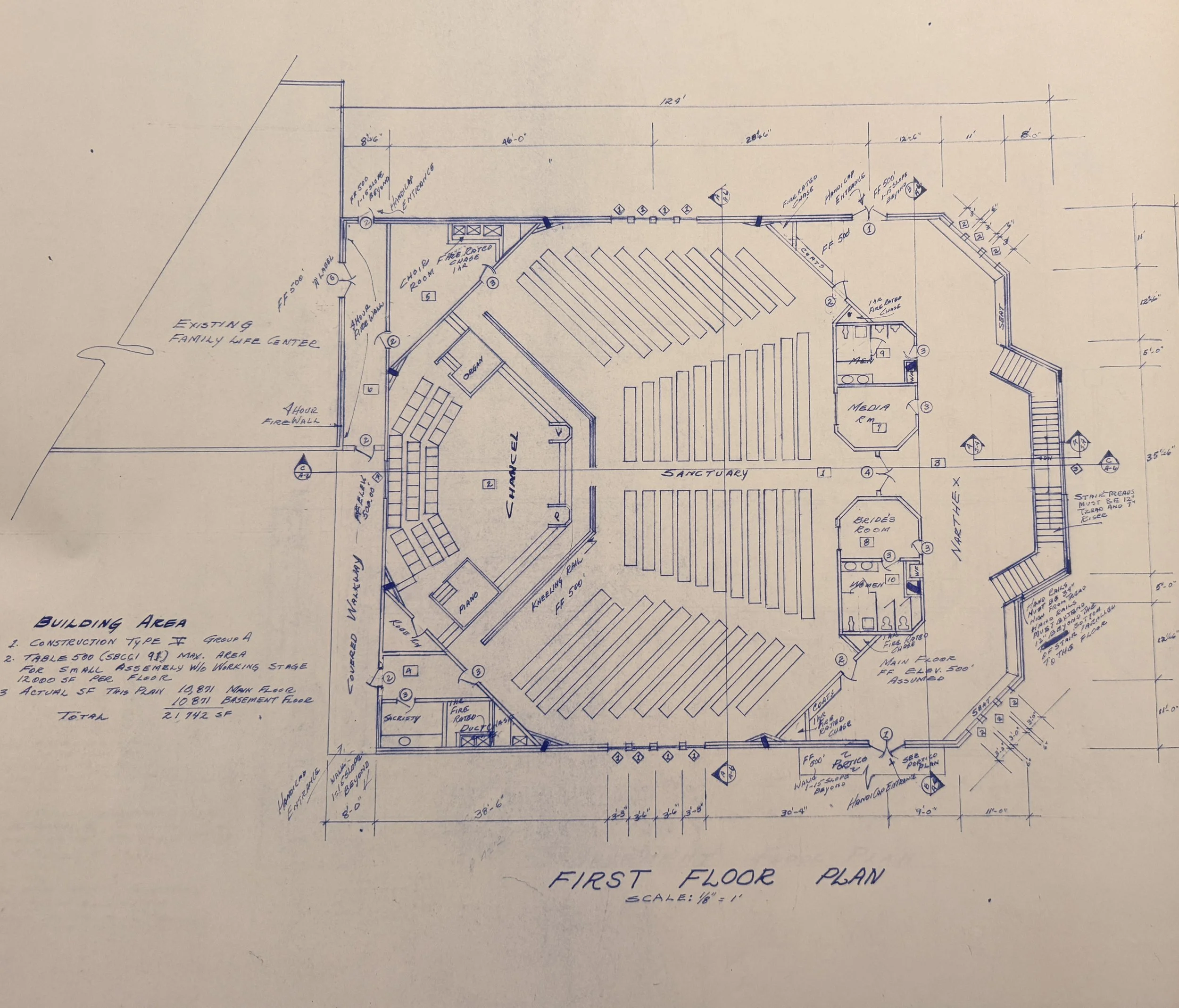
By the early 1990s, Salem was discussing enlarging the current sanctuary. Initial plans focused on expanding the older church, but structural issues, termites, fire-code requirements, and other obstacles made expansion impractical. The congregation eventually voted to construct an entirely new sanctuary.
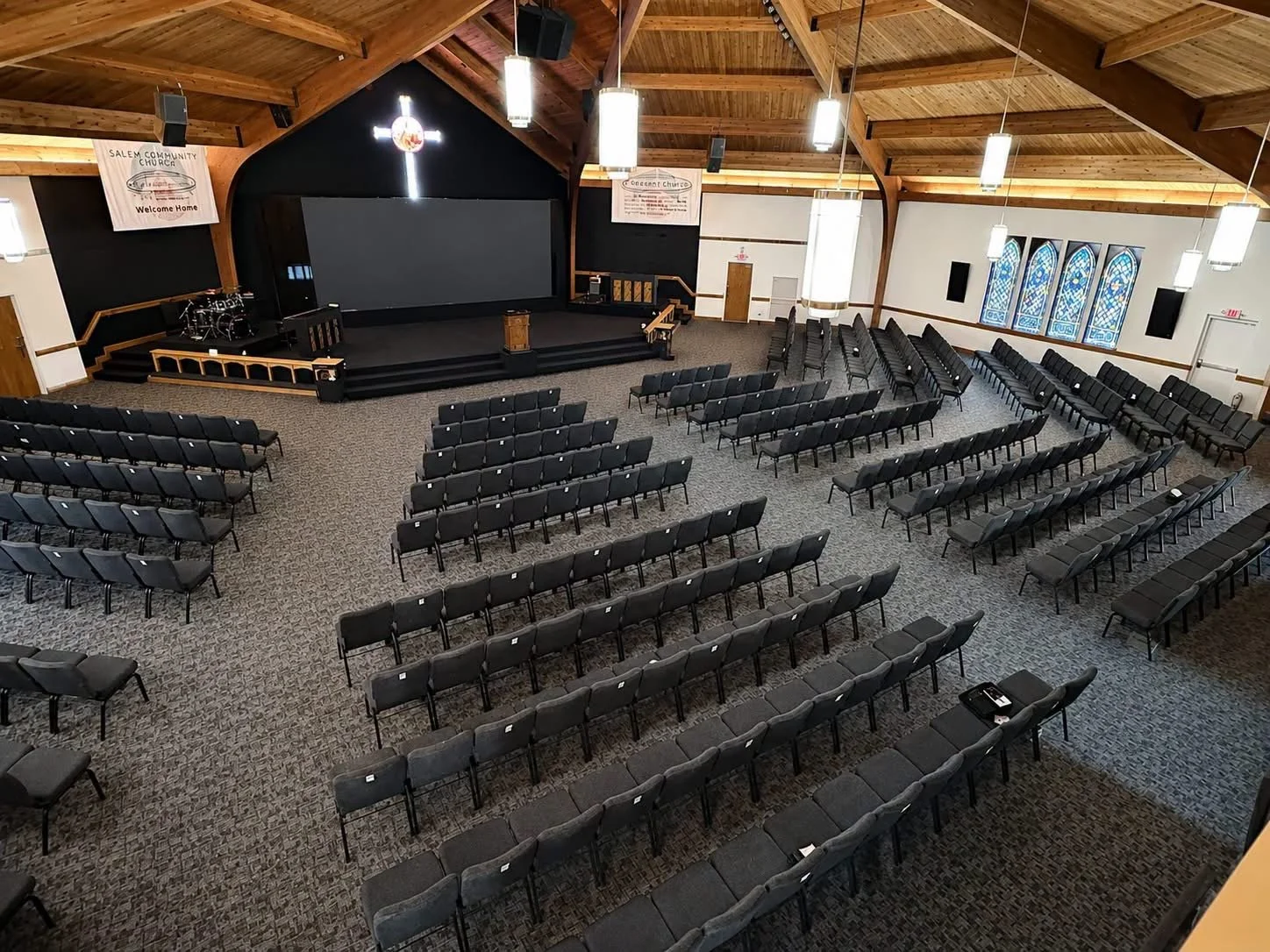
The interior design was shaped by the vision recorded years earlier: large wooden beams, stained glass, an open sanctuary, and a structure designed to communicate that anyone who desired to worship would be welcomed.
Construction of the current sanctuary was a church-wide effort. Members volunteered on Saturdays and holidays, prepared meals, donated materials, contributed professional skills, and served wherever they were needed.
People from throughout the Clarksville community also contributed to the work. The historical account describes men and women of different ages and abilities coming together around a shared purpose.
The new sanctuary was consecrated on April 26, 1998. It seated 521 people, and the larger church complex grew to more than 38,000 square feet.
Faith Beyond Walls
Sent to Serve
Salem’s story has never been limited to what happened inside its buildings.
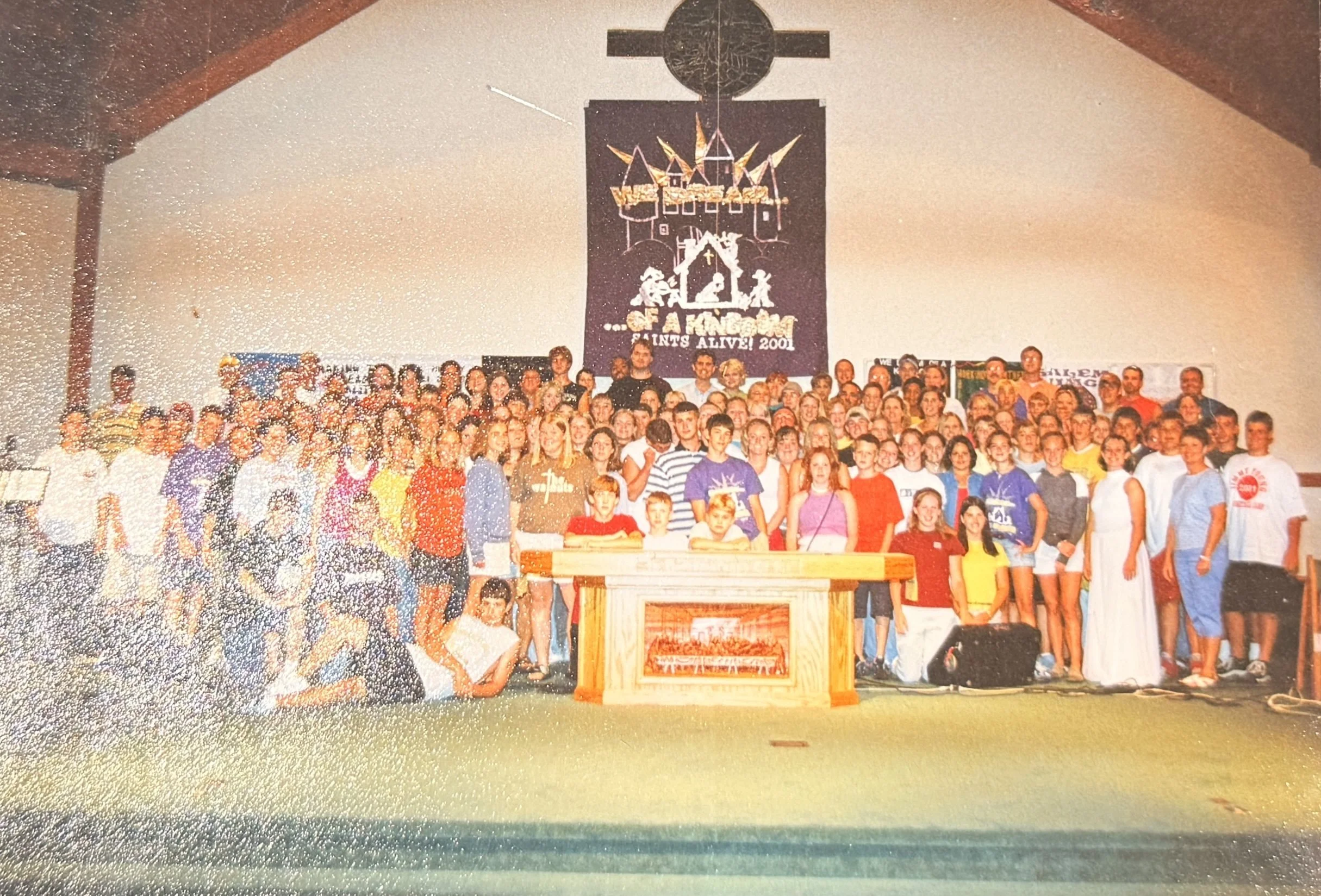
Through the years, church members served in local outreach, youth mission programs, disaster recovery, home repairs, international missions, food ministries, and community partnerships. Teams traveled throughout Appalachia, assisted communities affected by hurricanes and tornadoes, worked in other countries, built accessibility ramps, provided supplies, and served families in need.
Mission was not treated as the work of a select few. It became part of the congregation’s identity.
Faithful Through Transition
Becoming a present church
In 2021, amid the disruption and uncertainty of the COVID-19 pandemic, Salem entered one of the most significant transitions in its history. After spending nearly a year without a permanent pastor or worship leader, the congregation departed from the United Methodist Church and became an independent, non-denominational church.
It was a season marked by both challenge and change, yet Salem continued to worship, serve, and trust God for what was ahead. While the church’s denominational structure changed, its commitment to Jesus, to one another, and to the surrounding community remained the same. What could have become a season of decline instead became the beginning of a renewed chapter in Salem’s story.
Our Story Continues
Our Story Continues
Honoring Our History While looking forward
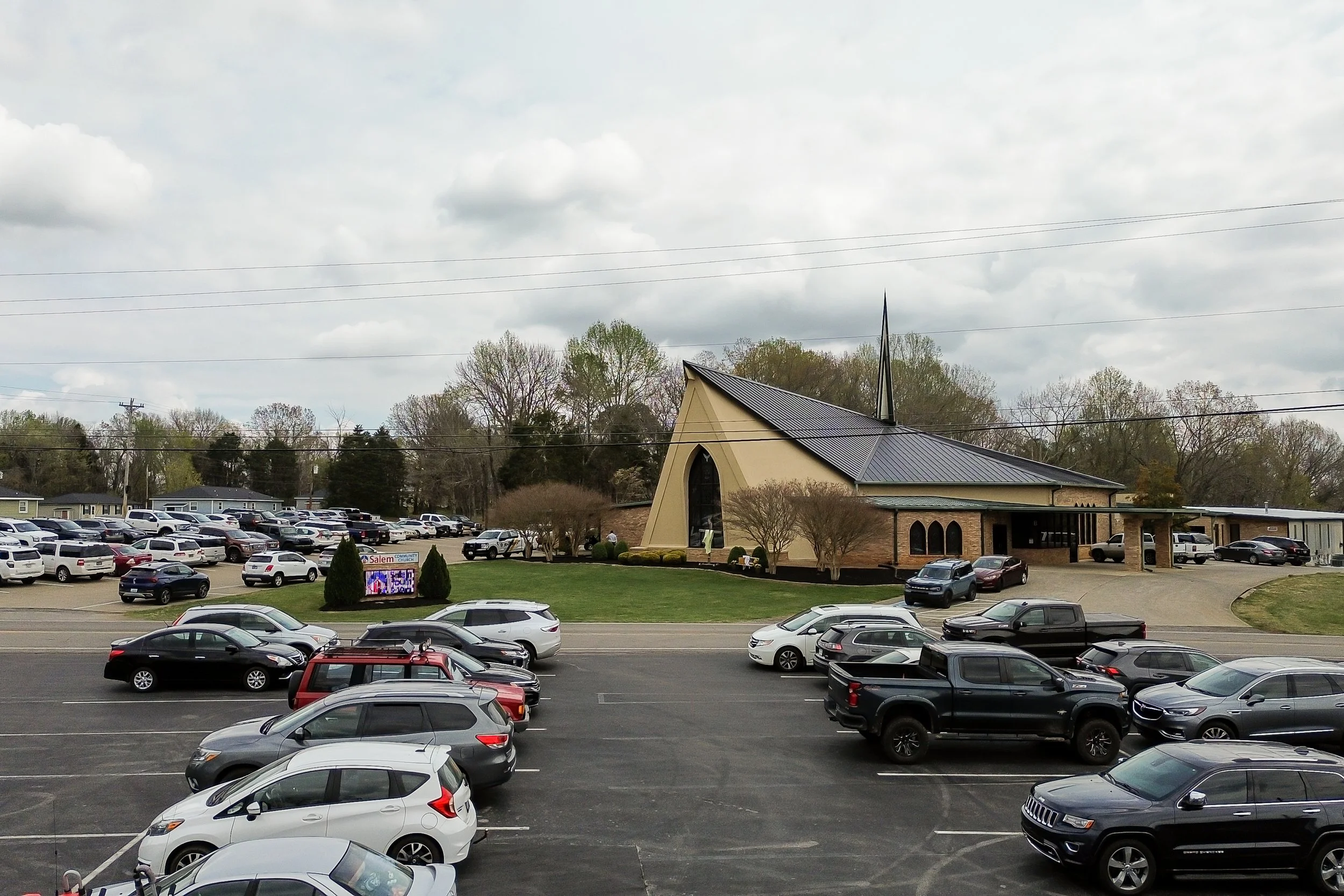
Salem has worshiped in different buildings, served through different ministry structures, and responded to the needs of many different generations. Through every season, God has remained faithful.
Salem did not suddenly become a forward-looking church in one defining moment. For generations, the congregation has made room for what God was doing—adding classrooms, improving ministry spaces, increasing accessibility, supporting new ministries, and preparing for the people He was sending.
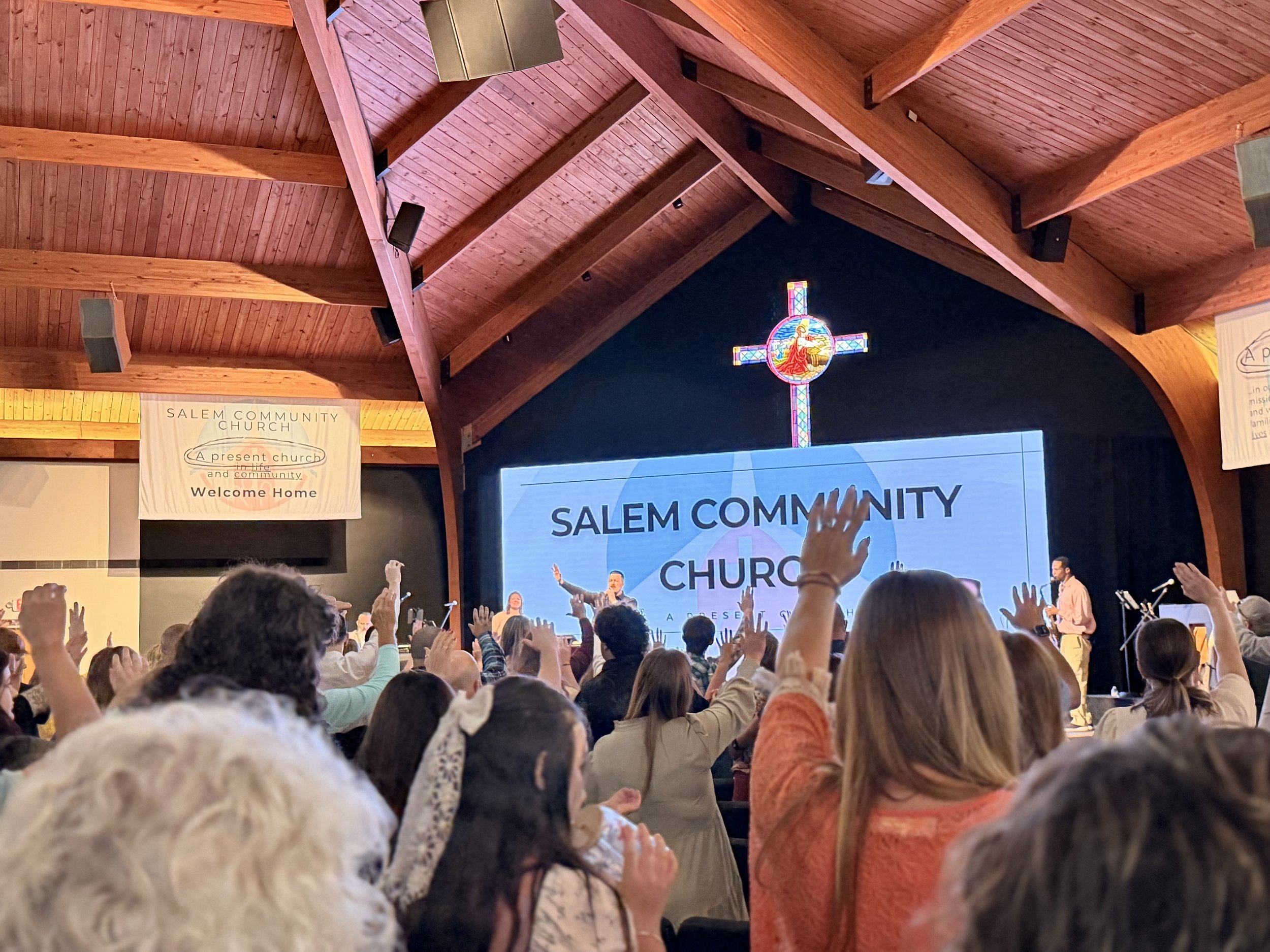
Today, Salem Community Church continues that story by seeking to be a present church—present with God, present with one another, and present in our community.
We honor those who prayed, gave, served, built, taught, and believed before us. Their faith created the foundation from which we now serve. Just as they followed God into seasons they could not fully see, we believe He is still writing Salem’s story—and calling us to faithfully prepare for what comes next.
Did you know?
-
Salem’s earliest known membership records date back to 1828, although the exact year the church began is unknown. -
The first Salem church was a small log building that served as both a church and a school.
-
The name “Salem” became connected to a natural spring near the church property known as Salem Spring.
-
Church members once planted and harvested crops to help fund building projects and improvements.
-
The vision that helped shape Salem’s future began with a dream Glenn Abernathy received in June 1986.
-
Salem became a one-station church in 1987, allowing the congregation to have its own full-time pastor.
-
During construction of the current sanctuary, members volunteered on Saturdays and holidays, donated materials, prepared meals, and contributed their professional skills.
-
Before Salem became a one-station church, the congregation formed committees to study its finances, facilities, population, and ministry needs—combining prayerful vision with careful planning.
-
Salem has sent mission teams throughout the United States and around the world, serving in disaster recovery, home repair, accessibility projects, food ministry, and international missions.
-
Salem’s history repeatedly tells the same story: when a need appeared, someone stepped forward.
Our Pastors
Salem’s earliest pastors served the larger Antioch Circuit or Charge, of which Salem was one congregation. In 1987, Salem became a one-station church with its own full-time pastor. Because some early records are incomplete, several dates reflect the best information currently available.
No record of pastors 1828–1833
Rev. Mark Gray Appointed 1833; length of service unknown
No record of pastors 1834–1854
Rev. R. L. Fagan 1854–1858
Rev. Mark Gray 1858; served three years
Rev. W. T. Dye 1861; served one year
No pastors due to the Civil War 1863–1864
Revs. Asbury A. Barbee, John H. Gold, and F. M. Featherston Appointed 1865; served two years
Rev. John Reynolds 1867; served two years
Rev. A. T. Goodloe 1869; served four years
Rev. J. G. Rice 1873; served two years
Rev. J. W. Cullom 1877; served three years
Rev. B. M. Stephens 1880; served one year
Rev. J. G. Rice 1881; served four years
Rev. W. A. Turner 1885; served one year
Rev. G. S. Byrom 1890; served two years
Rev. J. W. Faires 1892; served one year
Rev. W. T. Freeman 1893; served four years
Rev. W. H. Klyce 1897; served three years
Rev. W. T. S. Cook 1898; served three years
Rev. J. T. Thornton 1901; served five years
Rev. J. L. Chenault 1905; served four years
Rev. W. J. Walkup 1909; served one year
Rev. J. M. Oakley 1913; served two years
Rev. P. G. Johnson 1915; served one year
Rev. I. W. Keathley 1919; served two years
Rev. J. H. Whitfield 1923; served eighteen months
Rev. B. T. Lannon 1924; served six months
Rev. W. L. Armstrong 1925; served one year
Rev. W. T. S. Cook 1927; served six years
Rev. J. W. Swann 1933; served six years
Rev. J. C. Elliott 1939; served five years
Rev. R. C. Crosslin 1944; served two years
Rev. A. W. Delk 1948; served two years
Rev. B. H. Brandon 1950; served three years
Rev. A. C. Parker 1954; served four years
Rev. H. L. Smith 1959; served one year
Rev. Felix Snell 1960-1963 served three years
Rev. Arnold Vorster 1963-1965 served two years
Rev. Jerry Hilton 1965-1969 served four years
Rev. Loy Dodd 1969-1972 served three years
Rev. George Sanford 1972-1974 served two years
Rev. John Bloodworth 1974-1977 served three years
Rev. T. W. Mayhew — Interim Pastor, 1977–1978 served 1 year
Rev. Charles Armistead 1978-1981 served three years
Rev. Ed Britt 1981-1985 served four years
Rev. David Eliason 1985-1987 served two years
Rev. Mark Ashley 1987-1993 served six years
Rev. John Casey 1993-1994 served one year
Rev. Thad Collier 1994-2004 served ten years
Rev. Ron Brown 2004-2007 served three years
Rev. Harriet Bryan 2007-2014 served seven years
Rev. Justin Collett 2014-2015 served one year
Rev. Brian Marcoulier 2015-2017 served two years
Rev. Steven Sauls 2017-2019 served two years
Rev. Larry King 2019-2020 served one year
No pastor 2020-2021
Rev. Nathan Pearson 2021 - present